What if your daily drive could help you reclaim lost time?
How many hours do you spend behind the wheel each week—commuting, running errands, dropping the kids off? It feels like time that just slips away, doesn’t it? But what if those minutes weren’t wasted after all? Thanks to smart driving behavior analysis, your car trips can now become a source of insight, efficiency, and even personal growth. This isn’t about big data or complex tech—it’s about making your everyday life smoother, safer, and more intentional. Think of it like this: your car already knows your routines better than you think. What if it could gently help you make them better?
The Hidden Cost of Mindless Driving
Let’s be honest—how often do you arrive home from work and realize you don’t remember most of the drive? You turned, merged, stopped, started, all on autopilot. That mental cruise control might feel necessary, but it comes at a cost. When we drive without awareness, we carry more tension, react more sharply, and arrive at our destinations already drained. It’s not just about safety or fuel—it’s about energy. That moment when you’re stuck behind someone going just a little too slow, your hands tighten on the wheel, your breath shortens, and suddenly, you’re bringing that stress into your home, your dinner table, your evening.
I remember a time when I’d pull into my driveway after a long day, only to sit in the car for a few extra minutes just to decompress. My shoulders ached. My jaw was clenched. And I’d wonder—why do I feel so exhausted when all I did was drive? The truth was, I wasn’t just driving. I was reacting—every red light, every sudden brake, every honk—it was piling up. And because I wasn’t paying attention, I didn’t realize how much those small reactions were shaping my mood. Driving had become a mirror of my busyness, my impatience, my lack of margin. But here’s the good news: once you start noticing, things can change. And technology can help you see what you’ve been missing.
How Your Car Learns What You Don’t Notice
Here’s something comforting: your car is paying attention, even when you’re not. Modern driving behavior tools—built into apps or your vehicle’s system—quietly observe things like how quickly you accelerate, how smoothly you brake, and whether you’re handling your phone while driving. This isn’t about being watched or judged. It’s more like having a kind, observant friend riding shotgun—one who doesn’t speak up unless something matters.
Think about it. You might believe you’re a calm driver, but the data might show you tend to brake hard when you’re running late. Or maybe you accelerate quickly out of habit, not urgency. These patterns aren’t flaws—they’re simply habits, and habits can be reshaped once we see them. The beauty of this technology is that it doesn’t overwhelm you with numbers or graphs. Instead, it gives you gentle feedback: a soft chime when you brake too sharply, a weekly summary that says, “You drove more smoothly this week,” or a reminder that you’ve improved your phone usage while driving.
One mom I spoke with told me she started using a driving app after a minor fender bender. She wasn’t reckless—she just realized she was often distracted, glancing at her phone to check school pickup updates. The app didn’t shame her. It simply alerted her when she picked up her phone while moving. Over time, she became more aware. Now, she keeps her phone in the glove compartment during drives. She says it’s not just safer—it feels more peaceful. And that peace follows her into the rest of her day.
Turning Red Lights into Mini Breaks
What do you do at a red light? Most of us check our phones, sigh, tap our fingers, or glance at the clock with a sense of urgency. But what if we saw those moments differently? What if, instead of wasted time, we treated them as tiny pauses—mini breaks in our day?
With a little awareness, red lights and traffic jams can become unexpected gifts. Imagine taking a slow, deep breath as you stop—inhale for four counts, hold for four, exhale for six. Or using that moment to reset your intention: “I’m going to stay calm today.” Some drivers even use voice memos to jot down ideas, grocery lists, or things they’re grateful for. It’s not about multitasking—it’s about making space.
And here’s the surprising part: when you start driving more mindfully, your car notices. Smoother braking, gentle acceleration, consistent speed—these aren’t just good for fuel economy. They’re signs of presence. The feedback from your driving app might reflect that: “You had fewer harsh events this week,” or “Your average braking was smoother.” It’s not a report card—it’s a reflection of how you’re showing up.
Try this: the next time you stop at a light, take one full breath before you move again. Don’t rush. Just breathe. Over time, this small habit can shift your entire driving experience. You’ll arrive not just on time, but in a better state of mind. And that calm? It doesn’t stay in the car. It walks in the front door with you.
Smarter Routes, Smarter Habits
We all have routines, but how often do we question them? Like leaving the house at the same time every day, hitting the same traffic jam, and wondering why we’re always stressed by 8:15 a.m. What if the problem isn’t the traffic—but the pattern?
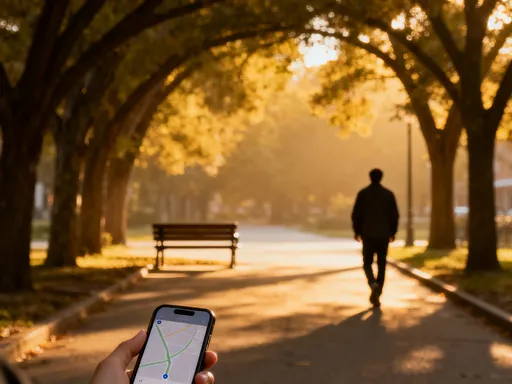
Driving behavior analysis doesn’t just track how you drive—it can help you understand when and why. Some apps show you heat maps of your most frequent routes, highlight peak congestion times, or even suggest alternative paths based on real-time traffic. But the real power is in the insights. For example, you might discover you consistently leave 10 to 15 minutes later than needed, putting yourself in a reactive mindset from the start. Or that running three errands separately takes twice as long as doing them together.
One woman shared that she used to drop her kids at school, go to work, then drive back across town for groceries—all in separate trips. After reviewing her driving data, she realized she was spending over four hours a week just driving between these points. She started planning her errands by route, not by task. Now, she drops the kids, heads to the grocery store on the way to work, and uses a delivery app for the rest. She’s saved time, fuel, and mental energy. “It’s not that I’m doing less,” she said. “It’s that I’m doing it smarter.”
And that mental energy? It adds up. When you’re not constantly reacting to traffic or rushing to make up time, your brain isn’t in survival mode. You’re freer to think, to plan, to be present. Small changes in your driving routine can create space in your mind. And that space is where clarity begins.
A Gift of Time for Your Family
When we talk about saving time, it’s easy to think of it as just extra minutes on the clock. But what really matters is how we spend them. And for so many of us, the most precious thing we can give our families is presence—not perfection, not presents, but our full attention.
I met a mom who used to get home after 6:30 p.m., exhausted, often eating dinner standing up while helping her kids with homework. She felt like she was always behind. Then she started using a driving app that helped her identify inefficiencies in her commute. She realized she was taking a longer route out of habit and leaving work during peak congestion. By adjusting her departure time by just 12 minutes and choosing a simpler route, she cut 30 minutes off her daily drive.
That half hour didn’t turn into more work or scrolling. It became bedtime stories. Every. Single. Night. “It sounds small,” she said, “but being able to tuck them in, read their favorite book, look them in the eye—that’s everything.” She wasn’t just saving time. She was reclaiming connection.
This is where technology becomes truly meaningful—not when it makes us faster, but when it makes us more available. When you drive with intention, you don’t just get home sooner. You get home calmer, more centered, more ready to engage. And that shift—subtle as it may seem—ripples through your relationships, your mood, your sense of balance.
Growing Confidence Behind the Wheel
Driving isn’t just a skill. For many of us, it’s tied to our sense of independence, capability, and even self-worth. But life changes—new routes, new responsibilities, new fears—and sometimes, our confidence behind the wheel wavers.
That’s where gentle, supportive feedback can make a real difference. Imagine being a new driver again, nervous in heavy traffic, unsure if you’re braking too hard or accelerating too fast. Or maybe you’re a seasoned driver who’s developed habits over the years—like tailgating when stressed or gripping the wheel too tightly. Without feedback, these patterns go unnoticed. With it, you can grow—not perfectly, but steadily.
One woman in her fifties started using a driving app after getting her license back following a long break. She was nervous about merging on highways and worried she’d forgotten how to drive smoothly. The app didn’t criticize. It simply offered real-time alerts when she braked abruptly or changed lanes too quickly. Over weeks, she noticed fewer alerts. Her confidence grew. “It was like having a patient instructor in the car,” she said. “I didn’t feel judged. I felt supported.”
And that’s the heart of it: technology at its best doesn’t replace human growth—it supports it. Every smooth stop, every mindful turn, every moment you choose awareness over autopilot—it builds. You start to trust yourself more. You feel more in control, not just of the car, but of your day. And that confidence? It doesn’t stay in the driver’s seat. It shows up in how you speak, how you lead, how you show up for yourself and others.
Making Life Flow, One Drive at a Time
Your car is more than a machine. It’s a space where life happens—where you listen to podcasts, sing with your kids, process tough conversations, or simply breathe between responsibilities. And now, with smart driving tools, it can also be a place of gentle growth.
This isn’t about becoming a perfect driver or chasing data. It’s about using technology to help you live with more intention, less stress, and greater ease. It’s about turning what once felt like lost time into moments of awareness, efficiency, and even joy. When you drive with care, you arrive with care. When you slow down just enough to notice, you create space for what matters.
So the next time you turn the key—or press the start button—take a breath. Notice how you feel. Are you rushing? Tense? Distracted? That’s okay. Just notice. The journey doesn’t have to be perfect. It just has to be yours. Let your car be more than a way to get from point A to B. Let it be a companion in your daily rhythm, a quiet partner in your personal growth.
You don’t need to change everything at once. Start small. Breathe at one red light. Adjust your route one day. Notice one habit. Progress, not perfection. Because every mindful mile adds up—not just to a better drive, but to a better life. And that? That’s something worth driving toward.