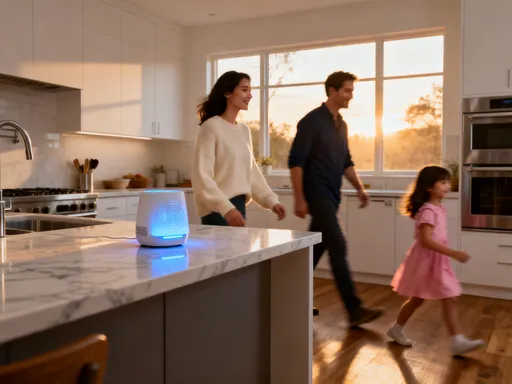
From chaos to calm: How order tracking apps reclaimed my work-from-home peace
Working from home used to mean constant interruptions—just as I’d focus on a call, a delivery would buzz at the door. I’d lose my train of thought, my rhythm, my sanity. Sound familiar? What if you could stay on top of every package without sacrificing your productivity or peace? I discovered that the right order tracking app didn’t just organize my deliveries—it reshaped my entire workday. It’s not about the tech; it’s about getting your time and calm back. And if you’re juggling work, home, and family like I am, this small change might be the relief you didn’t know you needed.
The Hidden Stress of Working from Home (And It’s Not What You Think)
When I first started working from home, I imagined the hardest part would be staying focused. No office structure, no boss looking over my shoulder—would I even get anything done? I bought a fancy desk, set up a tidy corner in the guest room, and stocked up on coffee. What I didn’t prepare for was how fragile my focus would feel. The real enemy wasn’t distraction from social media or the temptation to nap—it was the unexpected. A doorbell at the wrong moment could unravel hours of momentum. One afternoon, I was deep into a presentation for a major client when the delivery guy rang. I rushed to the door, signed, came back—and my mind was blank. The flow was gone. I had to start over, and I missed the deadline. That moment wasn’t just about a late file. It was about feeling powerless in my own home. I realized then that the little things—like not knowing when a package would arrive—were quietly eroding my confidence, my peace, and my ability to show up as the professional and the parent I wanted to be.
And I’m not alone. So many of us think we need better time management or stronger willpower, when what we really need is fewer surprises. The truth is, our brains aren’t built to switch tasks and jump back in seamlessly. Every interruption forces a mental reset, and that takes energy—energy we could be using to create, connect, or just breathe. When you’re managing a household, helping kids with homework, and trying to meet work goals, that stolen energy adds up. It shows up as short tempers, missed details, or that heavy feeling of never quite catching up. For me, the delivery interruptions weren’t just inconvenient—they were symbolic. They represented how out of control my days felt, even when I was physically in the safest place I knew: my home.
How a Simple Delivery Became a Daily Battle
Let’s paint the scene: it’s 10:15 a.m., the kids are off to school, the dog is finally quiet, and I’ve just opened my laptop with a fresh cup of tea. I’m about to dive into a report that’s due by noon. My mind is clear, my focus is sharp. Then—ding dong. I freeze. Heart rate up. I know that sound. I scramble to my feet, wondering who it is, what it is, and why now? It’s a delivery for a sweater I bought three weeks ago and completely forgot about. I sign, take the box inside, and try to return to my desk. But the rhythm is broken. My thoughts are scattered. That crisp focus? Gone. What should’ve taken five minutes at the door turned into a 20-minute recovery period. I had to reread paragraphs, restart sentences, and fight the low-level frustration that lingered for the rest of the morning.
This wasn’t a one-time thing. It started happening two, sometimes three times a week. I began to dread the doorbell. I’d flinch at every buzz. I even started timing how long it took me to regain focus after an interruption. On average? 15 to 25 minutes. That’s over two hours of lost productivity every week—just from deliveries. And it wasn’t just about work. These moments spilled into my mood. I’d snap at my partner for leaving the dishwasher open. I’d forget to text my mom back. I felt frazzled, reactive, and worn thin. The irony wasn’t lost on me: I was working from home to have more control over my life, but I was feeling less in control than ever. The delivery wasn’t the problem—it was the unpredictability. Not knowing when it would come, whether it needed a signature, or if it would arrive during my most important meeting. That uncertainty was the real thief of my calm.
Discovering the App That Changed Everything
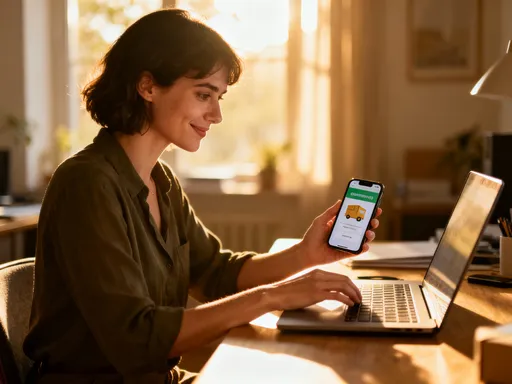
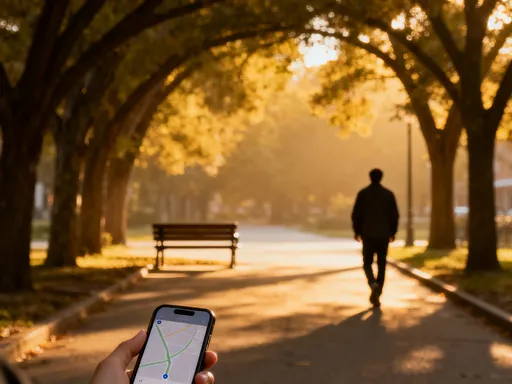
I didn’t go looking for a miracle. I just wanted fewer surprises. A friend mentioned she used an order tracking app to keep tabs on all her deliveries in one place. I’ll admit, I rolled my eyes at first. An app for packages? Really? But after yet another ruined afternoon, I downloaded one that evening. I linked my email, gave it permission to scan my inbox for shipping confirmations, and within minutes, every order I’d made in the past six weeks appeared in one clean, color-coded list. There was the sweater. The coffee beans. The birthday gift for my sister. All with estimated delivery dates, real-time updates, and even delivery window predictions. I remember sitting there, staring at my phone, feeling something I hadn’t in months: relief.
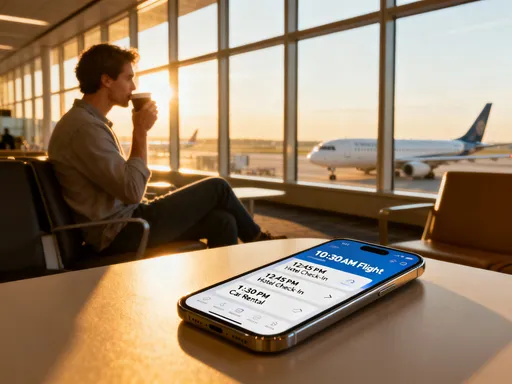
The first real test came two days later. I had a critical Zoom call at 11 a.m. At 10:47, my phone buzzed. Not a doorbell—just a quiet notification: “Your package will arrive between 10:50 and 11:15 a.m.” I smiled. I finished my call, wrapped up my notes, and walked to the door at 11:10—calm, collected, in control. No scrambling. No mental reset. I signed, went back to my desk, and picked up right where I left off. That small moment felt huge. It wasn’t just about convenience; it was about dignity. I wasn’t at the mercy of a delivery schedule anymore. I was back in the driver’s seat. The app didn’t do anything magical—it just gave me information. But that information was power. Power to plan, to protect my time, and to show up fully in both my work and my home life.
Turning Chaos into Calm: How Real-Time Updates Save Mental Energy
What made the biggest difference wasn’t the tracking itself—it was the predictability. Our brains crave certainty. When we don’t know what’s coming, we stay in a low-level state of alert, like a background app draining our battery. Every time I heard a car pull up outside, I’d tense up, wondering if it was for me. That constant vigilance, even if subconscious, wore me down. With the app, that background noise quieted. I could see at a glance whether I had a delivery that day, and if so, when. No more guessing. No more anxiety. I could plan my deep work blocks around delivery windows. I could schedule fragile tasks—like recording a video or writing a proposal—for days when I knew I wouldn’t be interrupted.
Psychologists call this “cognitive load”—the mental effort required to manage tasks and decisions. When we’re constantly switching attention or reacting to surprises, our cognitive load increases, and our performance drops. By reducing uncertainty, the app lowered my mental load. I didn’t have to remember which orders were out, where they were, or when they might arrive. That mental space didn’t just go back to work—it went to joy. I found myself more present during family dinners. I had more patience with my kids. I even started reading for pleasure again. One evening, my husband said, “You seem lighter lately.” I realized it wasn’t just because work was going better. It was because I wasn’t carrying the weight of a hundred little “what ifs” anymore. The app didn’t eliminate deliveries—but it eliminated the stress around them. And that made all the difference.
A Smoother Home, A Stronger Workday
The ripple effects surprised me. I expected to get more work done—and I did. But I didn’t expect my home life to improve too. With fewer interruptions, I was less reactive. I wasn’t walking around with that low hum of frustration, so I didn’t snap as easily. One afternoon, my daughter asked me to help her with a science project. Normally, I’d have said, “Not now, I’m in the middle of something.” But that day, I checked the app—no deliveries expected—and I said, “Sure, let’s do it together.” We spent an hour building a volcano out of clay, laughing, talking. It was a small moment, but it felt big. I was there. Really there.
My partner noticed the shift too. “You’re calmer,” he said. “You don’t seem so on edge.” Even the kids commented. My son said, “Mom, you don’t yell when the doorbell rings anymore.” That hit me. I hadn’t realized how much tension I was carrying—or how much of it was spilling over into my relationships. The app didn’t fix everything, of course. Life is still messy. But it removed one consistent source of friction. And in doing so, it created space—for connection, for joy, for breathing room. I started sleeping better. I had more energy in the evenings. I even found time to start a small side project I’d been putting off for months. It reminded me that small changes can have big emotional payoffs. We don’t always need a complete overhaul to feel better. Sometimes, we just need one less thing to worry about.
Making It Work for Your Life: Simple Tips to Get Started
You don’t need to be a tech expert to use an order tracking app. I’m not. I still can’t code, and I get confused by too many settings. But setting this up was easier than I thought. Here’s how I did it—and how you can too. First, I chose a popular, well-reviewed app that integrates with major retailers and carriers. I downloaded it, created an account, and linked my email. That’s where the magic happened: the app scanned my inbox for shipping confirmations and automatically added them to my dashboard. No manual entry. No stress.
The next step was customizing notifications. At first, I got alerts for every single update—“shipped,” “in transit,” “out for delivery.” It was too much. I realized I only needed to know when a package was out for delivery or arriving that day. So I went into settings and turned off the less important alerts. That made a huge difference. Now, I only get pings that matter—quiet, timely, and useful. Another tip: if you order from multiple email addresses, link them all. I had one for personal shopping and another for work-related supplies. Once I connected both, everything was in one place. And if you’re worried about privacy, most of these apps let you control what data they access and how long they store it. You can also use them without giving full inbox access—just forward shipping emails manually. It takes a minute, but it’s worth it for the peace of mind.
Finally, don’t aim for perfection. Some orders might slip through—especially from smaller shops that don’t send digital confirmations. That’s okay. The goal isn’t 100% coverage. It’s about reducing the chaos, not eliminating it entirely. Think of it like a good kitchen organizer: it won’t make your pantry perfect, but it’ll help you find the spaghetti noodles when you need them. Start small. Try it for two weeks. See how it feels to know when the doorbell will ring. You might be surprised by how much calmer your days become.
More Than an App: Reclaiming Time, Focus, and Peace
In the end, this wasn’t about packages at all. It was about protecting my time, my focus, and my emotional well-being. That little app became a quiet ally in my daily life—a small tool with a big impact. It didn’t make me work harder. It helped me work smarter, live calmer, and show up more fully as a professional, a partner, and a mom. I no longer dread the doorbell. I don’t waste mental energy guessing or worrying. I know when things are coming, and I can plan around them. That sense of control has bled into other areas of my life. I feel more capable. More grounded. More at peace.
If you’re working from home, juggling a million things, and feeling like you’re always one interruption away from losing it—this might be the simplest change you make all year. It’s not flashy. It won’t go viral. But it’s real. It’s practical. And it works. Because sometimes, the best tech isn’t about doing more—it’s about feeling less. Less stress. Less chaos. Less mental clutter. More calm. More presence. More you. And isn’t that what we all want? To feel like we’re living our lives, not just surviving them? So go ahead. Download the app. Link your email. Take back your time. Your focus. Your peace. You’ve earned it.