Secured my home in 3 weeks: The alarm habit that gave me back peace of mind
You know that moment—walking into your house, heart still racing from the day, only to realize you forgot again to arm the alarm? I lived like that for months. Juggling work, family, and life, safety felt like just another chore. Then I stopped fighting technology and started working with it. This is the story of how one small habit—just 90 seconds a day—transformed my home, my mindset, and my sense of control. No tech jargon. No grand promises. Just real life, and real peace.
The Night Everything Changed
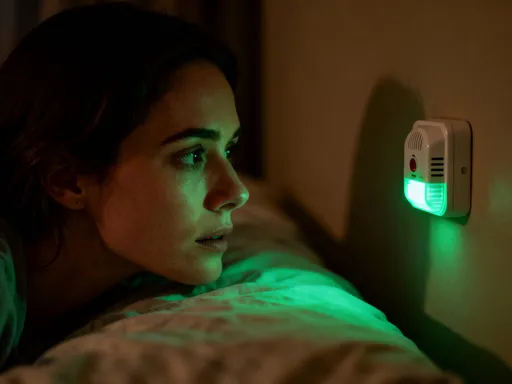
It was 11:37 p.m. when I heard it—a creak on the stairs, slow and deliberate. My breath caught. I wasn’t alone. Or was I? The house was dark, the kids were asleep, and my husband was on a business trip. I lay frozen, straining to hear over the pounding in my chest. Was it the house settling? A branch tapping the roof? Or something more?
And then it hit me: I hadn’t set the alarm. Again. I’d walked in after picking up dinner, arms full, mind already on the mountain of laundry waiting in the basement. The blinking red light on the panel—our silent guardian—was off. Lifeless. Just like my sense of security in that moment.
That night, I didn’t sleep. I sat up with a kitchen knife beside me, jumping at every shadow. But the real wake-up call wasn’t the noise. It was the realization that I’d made a dangerous assumption: that having a security system meant I was safe. The truth? A system only works if you use it. And I wasn’t using it—just installing it, paying for it, and forgetting it.
I realized then that safety isn’t about the gadgets on the walls. It’s about the habits we build around them. We don’t need more technology—we need better routines. And so, in the quiet of that sleepless night, I made a promise: no more excuses. From now on, arming the alarm wouldn’t be an afterthought. It would be non-negotiable. The next morning, I wrote it down: Lock the door. Arm the system. Breathe.
Why We Forget What Matters Most
We all want to protect our homes. We spend hours researching the best cameras, the most reliable sensors, the smartest doorbells. We install them with care, proud of our upgraded safety. And then… life happens. The kids rush in late from practice. You’re on a work call while unloading groceries. Your partner comes home early and forgets to reset the code. The alarm stays off.
Here’s the uncomfortable truth: most home security systems fail not because they’re faulty, but because we forget to use them. According to studies on human behavior, we make about 35,000 decisions a day. By the time we walk through the front door at night, our mental energy is drained. That’s when habits take over—because willpower doesn’t last.
I used to arm the system only when I felt uneasy—after watching a crime documentary, or hearing about a break-in in the next neighborhood. But real protection isn’t based on fear. It’s based on consistency. And consistency doesn’t come from motivation. It comes from routine.
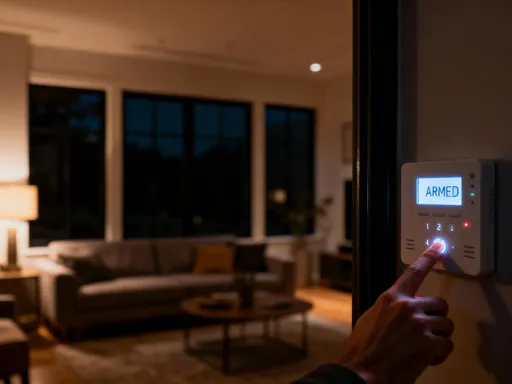
Neuroscience tells us that habits form through a simple loop: cue, routine, reward. The cue triggers the behavior. The routine is the action. The reward reinforces it. For me, the cue was locking the front door—the one thing I did every single night without fail. The routine? Arming the alarm. The reward? That soft, confirming chime and the immediate wave of calm that followed. I didn’t have to remember. I just had to link the two.
It wasn’t about being more responsible. It was about being smarter. I stopped blaming myself for forgetting and started designing a system that made it impossible to skip. Because when safety becomes automatic, it becomes real.
Building the 90-Second Ritual
I didn’t try to change my whole life. I just added one small ritual to an existing routine. Every night, after I turned the key in the lock, I paused. Ninety seconds. That’s all it took. I’d walk to the panel, enter the code, check the status of the sensors, and glance at the live feed from the front camera. Then, that gentle chime: System armed. Home protected.
At first, it felt forced. I had to remind myself. But I made it easier by placing a small sticky note on the wall beside the panel: “Safe home = sound sleep.” Simple. Direct. Personal. I even added a little heart doodle—something that felt like me, not a cold instruction manual.
Within days, something shifted. The ritual started to feel natural. In fact, it started to feel wrong not to do it. One night, I walked in, dropped my bag, and headed straight for the couch. My daughter, 12 years old and sharp as a tack, called out from the kitchen, “Mom! Did you arm it?” I hadn’t. But the fact that she noticed—and cared—told me this wasn’t just my habit anymore. It was becoming part of our family rhythm.
I didn’t need motivation. I didn’t need a reminder app. I had a rhythm. And rhythm, I learned, is the quiet engine of lasting change. The system didn’t make me safer all at once. It was the daily repetition—the tiny victory of consistency—that built true confidence.
And here’s the surprise: that 90 seconds didn’t feel like a chore. It felt like a gift. A moment to pause, to transition from the chaos of the outside world to the sanctuary of home. I started to look forward to it. That little chime? It became a lullaby for my anxiety.
How Privacy Fits Into Protection
I’ll admit, I had doubts. Cameras in my home? Even if they were mine, even if I controlled them—didn’t that feel a little… invasive? Like I was living in a fishbowl, watched even when I didn’t want to be? I didn’t want safety to come at the cost of privacy. That’s not peace. That’s paranoia.
But modern home security systems aren’t about constant surveillance. They’re about selective awareness. I learned that I could set privacy zones—areas where cameras wouldn’t record, like the kids’ bedrooms or the master bathroom. I could schedule recording times, so the system only activated after 8 p.m. or when we were away.
I also discovered motion sensitivity settings. Our dog, Max, loves to wander at night. At first, he triggered alerts constantly—“Motion detected in kitchen!”—which made me jump every time. But once I adjusted the sensitivity and excluded certain zones, the false alerts stopped. Now, the system alerts me only to meaningful activity—like someone approaching the back gate or a package being delivered.
And here’s what changed my mind: control. I wasn’t handing my privacy over to a company or a cloud. I was the one in charge. I decided who could view the footage, when it was recorded, and how long it was stored. I could delete clips with a tap. I could turn off cameras remotely. It wasn’t Big Brother. It was me, looking out for my family on my terms.
Knowing that the system respected our private moments made me trust it. And when you trust your tools, you use them. I no longer felt watched. I felt watched over. There’s a big difference.
The Ripple Effect on Daily Life
You’d think a habit about home security would only affect, well, security. But it did so much more. Once I stopped worrying about whether the alarm was on, a strange thing happened: I relaxed. I slept deeper. I stopped waking up at 3 a.m. wondering if I’d forgotten to arm it. My mind, once cluttered with “what ifs,” began to quiet.
And that calm followed me into the rest of my life. I arrived at work less frazzled. I listened better in meetings. I was more patient with my kids. I even started enjoying little moments—sipping coffee on the porch, reading before bed—without my mind racing ahead to the next task.
My husband noticed. “You seem… lighter,” he said one evening. “Like you’ve put something down.” I had. I’d put down the invisible weight of constant vigilance. That one small habit had untangled a knot of low-grade anxiety I hadn’t even realized I was carrying.
It wasn’t just about feeling safer. It was about feeling freer. Free to focus on what mattered. Free to be present. Free to breathe. Because when you know your home is protected, you can stop guarding it in your mind. And when your mind is free, your life expands.
That’s the secret no one tells you: small habits don’t just change what you do. They change who you are. I didn’t just become more consistent. I became more peaceful. More grounded. More myself.
Troubleshooting the Real Struggles
Let’s be honest—this didn’t go perfectly. In the first week, our dog set off the alarm twice. The first time, I was on a Zoom call with my team when the siren blared. Mortifying. The second time, I rushed downstairs in my pajamas, heart pounding, only to find Max calmly licking his paws in the living room.
Then there were the confusing alerts. “Entry delay active.” “Low battery on back door sensor.” I didn’t know what half of them meant. I almost gave up, thinking, “Maybe this isn’t for me. Maybe I’m just not tech-savvy enough.”
But instead of quitting, I got curious. I spent 20 minutes reading the app’s help section. I adjusted the motion sensor’s angle so it faced the hallway, not the couch where Max liked to nap. I replaced the battery myself—turns out, it was easier than changing a smoke detector’s battery.
I also learned to read the notifications without panic. Not every alert meant danger. Some were just updates. Some were reminders. I started to see the system not as a source of stress, but as a partner—one that needed a little training, just like we did.
And when I did get stuck, support was only a click away. I chatted with a real person who walked me through settings, explained the alerts, and even suggested a quieter chime option (which I loved). The system wasn’t perfect. But it was adaptable. And so was I.
Resilience doesn’t come from flawless technology. It comes from our willingness to keep going, to learn, to adjust. And every time I fixed something, my confidence grew. I wasn’t at the mercy of the tech. I was in charge of it.
Making It Stick: The Long-Term Win
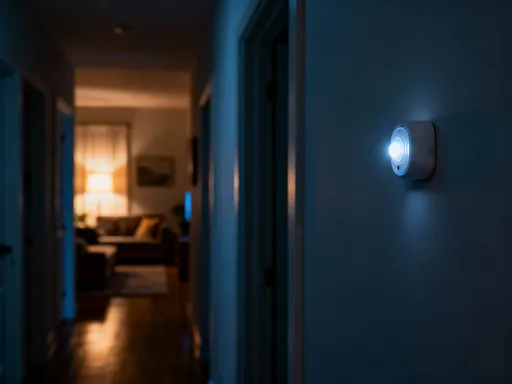
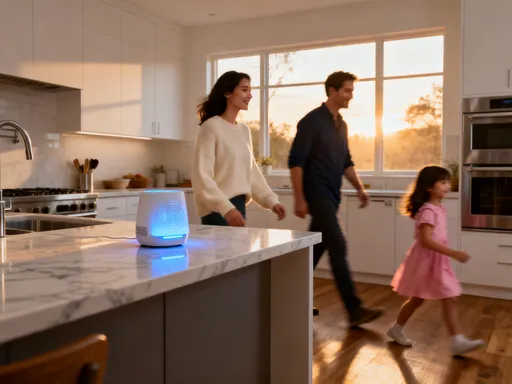
Three weeks in, the habit held. I hadn’t missed a single night. Six months later, it’s so automatic I don’t even think about it. It’s like brushing my teeth or setting the coffee maker—it’s just what I do. The alarm isn’t a device anymore. It’s part of our home’s rhythm. Its quiet presence is as natural as the hum of the refrigerator or the glow of the nightlight in the hallway.
And the peace? It’s deeper now. It’s not just about knowing the doors are locked. It’s about knowing I’ve built something reliable—a habit, a system, a sense of control. In a world that feels unpredictable, that consistency is a anchor.
I don’t arm the alarm out of fear. I do it out of care. For my family. For my peace. For the life we’ve built together. It’s not about preparing for the worst. It’s about making space for the best—better sleep, deeper conversations, quieter mornings.
And here’s what I’ve learned: freedom and security aren’t opposites. They’re partners. True freedom isn’t living without rules or routines. It’s living with the confidence that you’re protected, so you can focus on what matters. And that confidence? It can start with 90 seconds.
You don’t need a perfect system. You don’t need to be a tech expert. You just need one small, consistent action—linked to something you already do. Let the door lock be your cue. Let the chime be your reward. And let that moment be yours—a tiny ritual of care, repeated every night, building a life that feels safe, steady, and truly yours.