Tested 18 Note-Taking Apps for 6 Months: The One That Finally Captured My Real Life
How many times have you missed a brilliant idea because you were too busy living your life to write it down? I’ve been there—juggling work, family, and personal goals, only to lose precious moments to memory gaps. For half a year, I tested nearly two dozen apps, hoping one would truly get my rhythm. What I found wasn’t just about speed or features—it was about finally feeling in sync with my own life. This is the tool that changed everything.
The Moment I Realized I Was Losing My Life’s Best Ideas
I used to trust my memory like it was unshakable. I’d tell myself, I’ll remember this later, whether it was a clever solution at work, my daughter’s funny way of mispronouncing words, or a sudden burst of inspiration while folding laundry. But life doesn’t pause for memory checks. One afternoon, as I was finalizing a last-minute presentation, I completely forgot about my daughter’s school play. It wasn’t until I saw the empty chair in the auditorium photos later that it hit me—she had looked for me in the crowd, and I wasn’t there. I didn’t miss it because I didn’t care. I missed it because I was overwhelmed, distracted, and relying on a system that no longer worked: my brain.
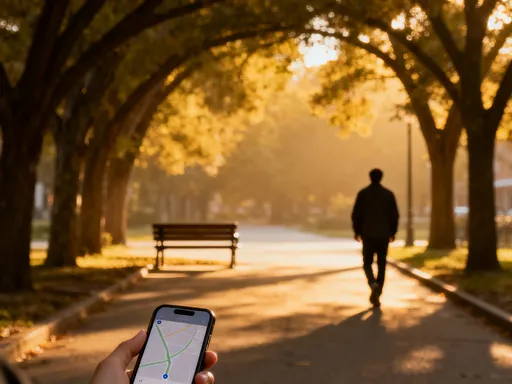
That moment wasn’t just about guilt. It was a wake-up call. I started noticing how many small, beautiful things were slipping through the cracks. My son’s first real joke—“Why don’t eggs tell secrets? Because they might crack up!”—I remembered it for a day, then lost it. A quiet realization I had during a walk in the park about how much calmer I felt when I slowed down? Gone. These weren’t just forgotten notes—they were pieces of my story, disappearing without a trace. I didn’t need another to-do list app. I needed something that could keep up with the rhythm of real life, not force me into someone else’s idea of productivity.
That’s when I decided to test every note-taking app I could find. I wasn’t looking for the one with the most features or the flashiest interface. I wanted the one that would disappear into the background of my life—something so easy, so natural to use, that I’d actually use it. I wanted a tool that didn’t feel like work, that didn’t demand perfection, and that could handle the beautiful mess of being a mom, a partner, a professional, and a person trying to grow. After six months, over 18 apps tested, and hundreds of real-life moments captured, I found the one that finally fit.
Why Most Productivity Apps Fail Real Life
Let’s be honest—most productivity apps are built for a world that doesn’t exist. They assume you have time to sit down, format your notes perfectly, tag them with three labels, and file them into neat folders. They’re designed for people who work in quiet offices with no interruptions. But real life? Real life is a baby crying during a video call, a sudden rainstorm when you’re walking the dog, or a deep conversation with your teenager that makes you forget everything else. These moments aren’t tasks. They’re experiences. And most apps treat them like data points to be organized, not treasures to be preserved.
I tried apps that looked beautiful but made me feel guilty for not using them “correctly.” One required me to write a title, add tags, and assign a category before I could even save a note. Another synced across devices but froze every time I tried to record a voice memo with background noise—like, say, my kids playing in the next room. Some were so focused on efficiency that they turned note-taking into a chore. I’d open the app, see a blank page with a blinking cursor, and think, Do I really have to format this just to remember what my doctor said? It felt like I was working for the app, not the other way around.
And that’s the problem. These tools promise to make us more productive, but they often make us more stressed. They add another layer of pressure—Be consistent. Be organized. Be perfect. But life isn’t perfect. It’s messy, emotional, and unpredictable. I didn’t need a digital filing cabinet. I needed a digital hug—a tool that could hold my thoughts gently, without judgment, and help me find them later without making me jump through hoops. I needed something that respected my time, my attention, and my humanity. That’s why so many of these apps failed me. They were built for robots, not real people.
The Breakthrough: A Tool That Listens Instead of Demands
Then I found it—an app that worked differently from anything I’d tried. Instead of asking me to slow down and format everything, it sped up with me. I could open it with one tap, press record, and start talking—no titles, no tags, no pressure. I could whisper a reminder while rocking my baby to sleep, snap a photo of my daughter’s art project, or type a quick thought between meetings. The magic wasn’t in how I captured the moment, but in how the app handled it afterward.
It used smart organization in the background. While I lived my life, it transcribed my voice notes, recognized keywords in my photos, and grouped similar ideas together. I didn’t have to do the work in the moment—just capture it. Later, when I searched “birthday gift ideas,” it pulled up voice notes from a coffee chat with my sister, a photo of a handmade candle I’d seen at a market, and a typed note from three weeks ago. It wasn’t about control. It was about care. The technology didn’t try to fix my life. It simply held space for it.
One night, my wife sang a lullaby to our newborn—something she made up on the spot. I quietly opened the app and recorded it. I didn’t name it. I didn’t tag it. I just saved it. Weeks later, when I searched “baby’s first month,” there it was—her voice, soft and warm, filling the room again. I didn’t just find a file. I found a feeling. That’s when I realized this wasn’t just a note-taking app. It was a memory keeper. It didn’t demand anything from me. It just listened. And in a world that’s always asking us to do more, that was revolutionary.
How I Use It to Strengthen Family Connections
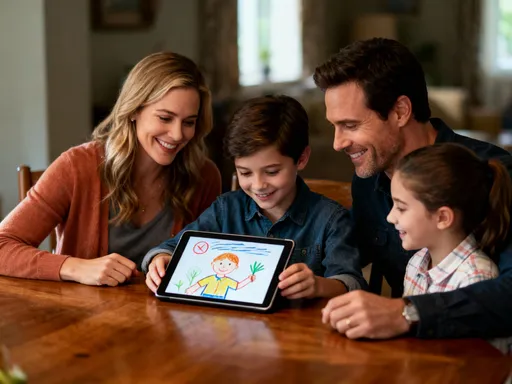
Now, our family moments aren’t just lived—they’re remembered. I record bedtime stories with my kids, their voices rising and falling as they take turns being the storyteller. Sometimes they giggle, sometimes they yawn, but every recording feels like a time capsule. On hard days, when I’m buried in emails or running late for pickup, I play one back. Hearing their laughter, their silly voices, their “Once upon a time…”—it brings me back to what matters. It’s not about capturing perfection. It’s about honoring the real, unscripted moments that make up our days.
My partner and I also leave each other little audio notes—tiny love letters in sound. “Remember how we laughed at breakfast when the toast popped up and scared the cat?” or “I saw the sunset tonight and thought of you.” These aren’t grand gestures. They’re small, warm reminders that we’re paying attention to each other, even when life pulls us in different directions. We don’t always have time for long conversations, but we have 30 seconds to record a thought. And those seconds add up.
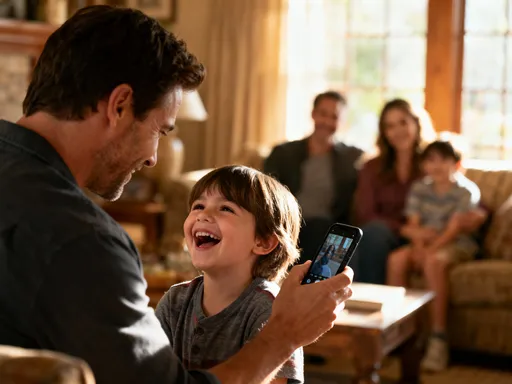
During busy weeks, we’ve started a tradition: Sunday evenings, we listen to our favorite notes from the week. It’s become our version of a family meeting—no agendas, no to-do lists, just connection. We hear my son’s joke about the eggs again. We replay the moment my daughter said, “I love you to the moon and back… and then some more.” These aren’t just recordings. They’re emotional anchors. They ground us. They remind us who we are, even when we’re tired, stressed, or stretched too thin. And the best part? The app doesn’t make us do anything special. It just makes it easy to keep these moments close.
Boosting Work Creativity Without Burning Out
At work, I used to lose ideas all the time. I’d have a breakthrough during a meeting, then spend the next hour trying to recreate it. Or I’d get a flash of insight while walking to the car, only to forget it by the time I got home. I used to think creativity meant working harder—longer hours, more focus, more pressure. But what I’ve learned is that real creativity thrives in space, not stress. And this app gave me that space.
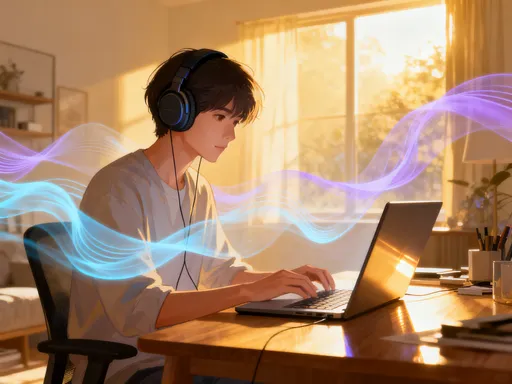
Now, right after a call or meeting, I open the app and voice-record my thoughts—raw, unfiltered, sometimes messy. I don’t worry about grammar or structure. I just talk. Later, when I’m at my desk, the app has already transcribed it. Even better, it groups similar ideas together. A comment I made on Monday about customer experience, a thought on Wednesday about onboarding, and a voice note from Friday about team feedback—all show up under a smart tag like “client journey.” I don’t have to search for connections. The app finds them for me.
This has changed how I prepare for presentations. Instead of starting from scratch, I review my weekly insights. Patterns emerge. Themes form. My ideas feel richer because they’re built on real moments, not forced brainstorming. And because I know nothing gets lost, I can actually relax. I don’t have to hold everything in my head. I can trust the system. That’s reduced my mental load and, honestly, saved my sanity. I’m not working more. I’m working smarter—because I’m finally using a tool that works with my brain, not against it.
The Hidden Skill I Developed: Mindful Attention
Here’s something I didn’t expect: using this app changed how I pay attention. At first, I thought it was just about capturing moments. But over time, I realized I was becoming more present in them. Because I knew I could save a moment without interrupting it, I stopped feeling anxious about forgetting. I didn’t have to pull out my phone and type furiously. I could just be there—listening to my daughter’s story, watching my son build a tower, feeling the sun on my face during a walk.
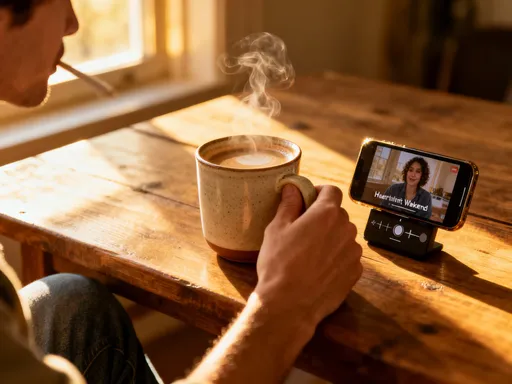
And when I did capture something, it wasn’t a distraction—it was an act of care. Saying, “Let me save this,” felt like saying, “This matters.” That small intention shifted everything. I started noticing more—the way my partner smiles when she’s proud, the sound of rain on the roof, the way my coffee tastes on a quiet morning. I wasn’t just collecting memories. I was practicing mindfulness.
This isn’t about taking more photos or recording every second. It’s about choosing what to honor. And that choice makes me more aware, more grateful, more alive. I’m not addicted to my phone. I’m more connected to my life. The app didn’t replace presence—it enhanced it. It gave me permission to pay attention without the pressure of perfection. And that, I’ve realized, is one of the most valuable skills of all.
Why This Isn’t Just Another App—It’s a Life Upgrade
This journey wasn’t about finding the fastest or fanciest app. It was about finding one that respected the mess, the love, and the unpredictability of real life. The right technology shouldn’t make you more robotic. It should help you be more you. It shouldn’t demand your attention—it should return it to you.
Today, I feel lighter. I’m not weighed down by the fear of forgetting. I’m more connected—to my family, to my work, to myself. I don’t have it all figured out. Some days are still chaotic. But now, I have a tool that holds the pieces gently, so I don’t have to. It doesn’t fix my life. It simply helps me live it—more fully, more intentionally, more joyfully.
If you’re tired of apps that make you feel guilty, overwhelmed, or like you’re not doing enough, I get it. You’re not the problem. The tools are. But there is a better way. One that doesn’t ask you to change who you are—just to capture what matters. Because your life isn’t a project to be managed. It’s a story to be lived. And now, finally, I’m not just living mine. I’m remembering it, too.