Detected a Gas Leak at 3 AM: How My Solo Night Routine Keeps Me Safe
You’re alone, the house is quiet, and you’re about to drift off—when a small, sharp sound breaks the silence. Not a creak. Not the wind. A beep. Your gas monitor flashes red. In that moment, you realize: no one else is coming. But your device just became your protector. I used to worry every night—until I changed one small habit. Now, peace of mind isn’t luck. It’s routine. That quiet alert didn’t just wake me up—it changed how I see safety, technology, and living on my own. And if you’ve ever lain awake wondering, 'What if something happens?' this is for you.
The Quiet Hour: When Everyone’s Asleep but Anxiety Isn’t
There’s a moment, just before sleep, when the world feels both peaceful and strangely fragile. The house settles. The street goes quiet. You pull the covers a little tighter, close your eyes—and then, suddenly, your mind starts running. Did I lock the front door? Is the oven really off? What was that sound downstairs? If you live alone, you know this feeling well. It’s not paranoia. It’s awareness. And sometimes, that awareness is the only thing standing between safety and danger.
I remember one night, a few winters ago, when I woke up to a faint, sour smell in the air—something sharp, like rotten eggs. My heart jumped. I sat up, listening. Nothing. No sounds, no movement. But that smell lingered. I got up, checked the stove—everything was off. The heater? No issues. I opened a window, tried to shake it off, but I couldn’t sleep. The next morning, I called a technician. Turns out, there had been a tiny leak in the gas line behind the oven. Nothing explosive, but enough to make me dizzy if I’d stayed asleep. That moment changed everything. I realized I couldn’t rely on luck. I needed a system. I needed something watching over me when I couldn’t watch over myself.
That’s when I started paying attention to the tools I already had—and the ones I was missing. I already had a smoke alarm. I had deadbolts. But I didn’t have anything that could detect the invisible. Gas doesn’t announce itself with flames or smoke. It sneaks in quietly, especially at night when we’re most vulnerable. And if you’re alone, there’s no one to say, 'Hey, do you smell that?' That night taught me: safety isn’t just about reacting. It’s about preventing. And prevention starts with awareness—and a little help from technology.
The Invisible Threat: Why Gas Risks Hide in Plain Sight
We think of danger as something loud, dramatic—something we can see or hear. But gas leaks are different. They’re silent. They’re invisible. And in many cases, they’re odorless. Yes, natural gas is treated with that familiar 'rotten egg' smell so we can detect it, but sometimes that scent fades, especially in older pipes or if the gas has been sitting. And propane? It doesn’t always carry that warning smell at all. So if you’re relying on your nose, you might already be in trouble before you even notice.
Gas builds up slowly. It gathers in corners, sinks to the floor, waits. And at night, when windows are closed and the house is sealed up tight, it has nowhere to go. Your body, relaxed and half-asleep, isn’t as alert. You might feel a headache, a wave of dizziness, nausea—but you could brush it off as fatigue, stress, or even a bad meal. By the time you realize something’s wrong, it might be too late. I’ve read stories—real ones—of people waking up groggy, confused, only to find their carbon monoxide detector beeping. Or worse, not waking up at all. These aren’t rare tragedies. They happen more than we think, and often, they’re preventable.
Think about how we use gas in our homes. The stove. The oven. The water heater. Maybe a fireplace or a space heater in winter. All of these are safe—when they’re working properly. But things go wrong. A pilot light goes out. A valve leaks. A connection loosens over time. And sometimes, we make mistakes. We’re tired. We’re distracted. We think we turned it off, but we didn’t. I once left the stove on low for 20 minutes while I answered the phone. Nothing happened—thankfully. But what if I’d fallen asleep? What if the flame had gone out and gas kept flowing? That’s not fear-mongering. That’s real life. The danger isn’t in the gas itself—it’s in the assumption that everything is fine because it always has been.
My Nightly Check: A 60-Second Habit That Changed Everything
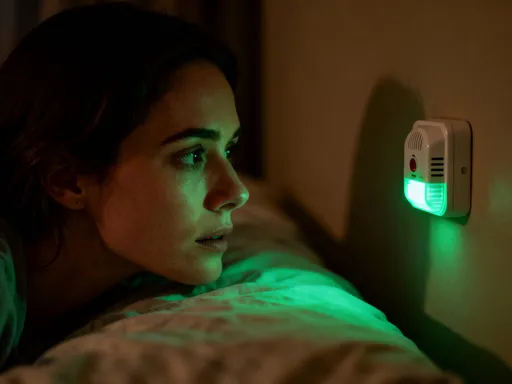
After that scare, I didn’t want to live in fear. I wanted to live in confidence. So I made one small change: every night, before I go to bed, I do a 60-second safety check. It’s not complicated. I walk through the kitchen, make sure the stove knobs are off, the oven is cool, and the gas valve near the water heater is secure. Then I look at my gas monitor. If the light is green, I know I’m good. If it’s yellow or red, I investigate. That’s it. Sixty seconds. No apps. No complicated setup. Just a glance.
At first, it felt a little silly. Like I was overdoing it. But after a few weeks, it became automatic—like brushing my teeth or locking the back door. And the difference in how I feel? Night and day. I don’t lie in bed wondering, 'Did I turn it off?' I know. Because I checked. And my monitor is always on duty. It doesn’t get tired. It doesn’t forget. It’s like having a silent guardian in the room with me.
One night, about six months in, I was halfway to sleep when I heard it—the beep. Soft, but clear. I sat up, heart pounding. The monitor was flashing red. I grabbed a flashlight, checked the stove—off. Oven—off. But when I got to the water heater, I saw it: a tiny hiss, almost inaudible, from a loose connection. I shut off the main valve, opened the windows, and called a technician the next morning. Problem solved. No danger. No drama. But without that monitor? I wouldn’t have known until it was too late. That moment wasn’t scary. It was empowering. Because I wasn’t helpless. I was prepared.
How the Device Works—Without the Tech Jargon
I’ll be honest—I’m not a tech expert. I don’t care about sensors, ppm levels, or circuit boards. I care about whether something keeps me safe. So when I bought my gas monitor, I wanted to understand it in simple terms. And here’s how I think of it: it’s like a silent roommate who never sleeps, never gets distracted, and always pays attention.
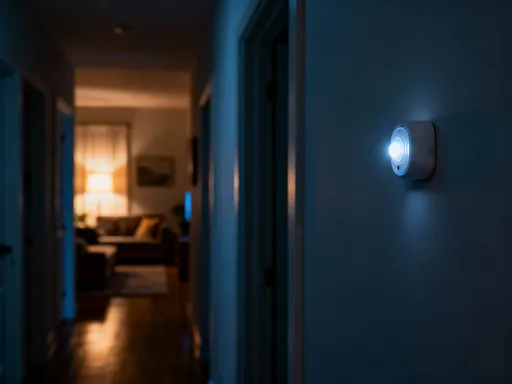
It sits on the wall, near the kitchen and the hallway, where gas is most likely to gather. It’s always 'sniffing' the air, checking for changes. When it detects even a small amount of gas, it reacts—first with a light, then with a beep. If the levels rise, the beeping gets faster. Some models, like mine, can even send an alert to your phone. So if you’re upstairs or in the garage, you’ll still know. It’s not magic. It’s science. But you don’t need to understand the science to trust it.
Placement matters. I learned that the hard way. At first, I put it in the laundry room, near the dryer. But steam from the washer kept setting it off. False alarms are annoying—and they make you doubt the device. So I moved it to the kitchen, about five feet off the ground, away from the sink and stove vents. Now, it’s quiet most of the time. But it’s reacted when it should. Once, when I was toasting garlic bread and left it too long, the monitor picked up fumes from the burnt cheese—not gas, but close enough in chemical makeup to trigger a warning. I opened a window, turned on the fan, and the light went back to green. It wasn’t a false alarm. It was doing its job: paying attention so I don’t have to.
Alone Doesn’t Mean Unprotected: Rethinking Solo Living
Living alone gets a bad reputation. People say it’s lonely. They worry you’re isolated. But for me, it’s freedom. It’s peace. It’s being able to live exactly how I want, on my own terms. But it also means I’m the one responsible—for the bills, the repairs, the safety. And that’s not a burden. It’s a choice. And with that choice comes the power to protect myself—not out of fear, but out of care.
The gas monitor isn’t a replacement for a partner or a family member. It’s not about admitting weakness. It’s about embracing strength. It’s about saying, 'I value my life, and I’m going to take smart steps to protect it.' And the funny thing? It’s changed more than just my safety. It’s changed how I feel at night. I sleep deeper. I wake up calmer. I don’t carry that low hum of anxiety anymore. I’m not waiting for something to go wrong. I’m prepared for it.
I’ve talked to other women—friends, neighbors, even strangers in online groups—who’ve done the same thing. One woman in Ohio told me she installed a monitor after her dog started acting strange one night—pacing, whining, refusing to stay in the kitchen. She checked, and there was a leak near the stove. Her dog sensed it before she did. Another woman in Texas said she used to wake up with headaches every winter. After installing a monitor, she discovered her space heater was leaking gas. She fixed it, and the headaches stopped. These aren’t isolated cases. They’re proof that small tools can make a big difference. And they’re proof that living alone doesn’t mean living unprotected.
Building a Safer Night: From One Habit to a Fuller Routine
Here’s something I didn’t expect: once I started checking the gas monitor every night, other habits followed. It was like one small win opened the door to more. I started testing my smoke alarms monthly. I unplugged devices I wasn’t using—chargers, lamps, the coffee maker. I began locking the doors with intention, not just out of habit. I even started a little night checklist: stove off, windows closed, monitor green, phone charged, doors locked. It takes two minutes. But it makes me feel in control.
I didn’t do this all at once. I started with the gas check. That became automatic. Then I added one more thing—testing the smoke alarm. Then another—unplugging the iron. Over time, it became a ritual. And rituals are powerful. They’re not just about safety. They’re about mindfulness. They’re about showing up for yourself, every single night.
If you’re thinking about starting, don’t aim for perfection. Start with one thing. Maybe it’s just looking at your gas monitor before bed. Maybe it’s making sure the stove is off. Pair it with something you already do—like brushing your teeth or washing your face. Or set a soft reminder on your phone: 'Night check.' It doesn’t have to be fancy. It just has to be consistent. And over time, you’ll notice the shift. You’ll feel calmer. More grounded. More in charge of your home, your safety, your life.
Peace of Mind Isn’t Luck—It’s Designed
That beep in the middle of the night used to scare me. Now, it comforts me. Because it’s not a warning that something’s wrong. It’s a reminder that something’s working. My monitor is doing its job. I’m doing mine. And together, we’re keeping me safe.
Peace of mind doesn’t come from ignoring risks. It comes from managing them. From knowing you’ve taken the steps, made the choices, built the habits that protect you. Technology, at its best, doesn’t complicate life. It simplifies it. It gives you back your time, your energy, your calm. It lets you sleep deeply, wake up refreshed, and live fully—because you’re not carrying the weight of 'what if?'
If you live alone, you already know how strong you are. But strength doesn’t mean doing everything yourself. It means knowing when to use the tools that help. A gas monitor isn’t a luxury. It’s a lifeline. It’s a small investment in a safer, smarter, more peaceful life. And for me, it’s become part of my nightly ritual—a quiet moment of care, a small act of self-respect.
So tonight, before you go to bed, take a moment. Look at your stove. Check your monitor. Take that 60 seconds. Because you’re worth protecting. And you don’t have to wait for a scare to start. Start now. Start small. And let that quiet beep, if it ever comes, be not a sound of fear—but a whisper of reassurance: You’re not alone. You’re prepared.