What I Learned from a Contract Gone Wrong – Protecting Returns the Smart Way
I once signed a deal that promised big returns—until things went sideways. A vague clause, a missing guarantee, and suddenly my investment was at risk. I wasn’t alone. Many of us trust contracts to protect our money, but when disputes arise, the fine print can make or break everything. This is how I navigated the mess, learned what truly safeguards returns, and built smarter financial habits. If you’ve ever felt unsure about a deal, this story might save you.
The Deal That Looked Too Good to Be True
It started with a flyer in my mailbox—an invitation to join a private investment group offering 12% annual returns on a short-term infrastructure project. The brochure was professional, the numbers were bold, and the testimonials from other investors looked convincing. At first glance, it seemed like a rare opportunity: low risk, high reward, and a timeline that aligned perfectly with my financial goals. I was preparing for my child’s college tuition, and the promise of a reliable return felt like a lifeline. Without hesitation, I scheduled a meeting with the project representative, eager to get in before the funding round closed.
The presentation was smooth. Charts showed steady growth, timelines were clear, and the risk assessment section emphasized government backing and insurance coverage. What stood out most was the phrase “guaranteed returns”—highlighted in bold on the contract summary. That phrase alone eased my doubts. I told myself this wasn’t speculation; it was a secure placement. I skimmed the full contract, trusting that the legal team had covered all bases. The representative assured me that hundreds had already signed and that early investors received priority payouts. I signed, transferred the funds, and waited for the first return payment with quiet confidence.
Three months passed with no payment. When I followed up, the response was vague: “There are minor delays due to regulatory approvals.” I waited another month. Then another. By the sixth month, I received a formal notice stating that the guarantee did not apply due to unforeseen circumstances beyond their control. My stomach dropped. I reread the contract and found the clause buried on page seven: “Returns are guaranteed only if project milestones are met on schedule and no external force majeure events occur.” I had assumed “guaranteed” meant guaranteed—no conditions. But the reality was far more complex. My excitement had blinded me to the limitations, and now my capital was tied up in a stalled project with no clear path to recovery.
When the Dispute Started – How a Simple Clause Sparked Chaos
The moment I realized the guarantee wasn’t ironclad, I reached out to the company demanding clarification. I expected transparency, but instead, I was met with deflection. The project manager cited delays in land acquisition and environmental assessments—factors they claimed were outside their control. They invoked force majeure, a legal term I had heard but never fully understood. To me, this felt like an excuse. The original timeline had been firm, and no such risks were highlighted during the presentation. I argued that the delay was internal, not external, and therefore did not qualify for exemption under the clause.
What followed was a back-and-forth of emails, calls, and unanswered questions. Other investors began reaching out, forming a small group to coordinate our concerns. We discovered that the contract language varied slightly between investors—some had stronger protections, others, like me, were left exposed. The lack of uniformity raised red flags about fairness and transparency. We requested a copy of the full project audit, but it was denied on grounds of confidentiality. Without independent verification, we had no way to confirm whether the delays were legitimate or a cover for mismanagement.
The emotional toll was significant. Sleepless nights, constant checking of my account, and growing anxiety about my financial stability took a real toll. I began to question my judgment. Had I been too trusting? Too eager? The stress wasn’t just personal—it affected my family. I became withdrawn, reluctant to discuss money, and overly cautious in other areas of spending. What started as a hopeful investment had become a source of tension and uncertainty. The real lesson was becoming clear: a contract is only as strong as its enforceability, and ambiguity in language can turn a promise into a loophole.
Understanding Return Guarantees – What They Really Mean (and Don’t Mean)
After the dispute, I dedicated time to understanding what “return guarantee” actually means in financial and legal terms. What I discovered was sobering: not all guarantees are equal, and many come with conditions that can nullify them under common circumstances. A true unconditional guarantee is rare—most are conditional, partial, or time-bound. For example, a conditional guarantee only applies if certain performance metrics are met, such as revenue targets or project completion dates. A partial guarantee might cover only a percentage of the return, leaving the rest exposed. A time-bound guarantee expires after a set period, even if the investment hasn’t yielded results.
What makes these distinctions dangerous is how they’re presented. In marketing materials, the word “guaranteed” is often used prominently, while the conditions are buried in fine print or written in complex legal language. Investors may assume full protection when, in reality, their exposure is significant. For instance, a guarantee that depends on “timely execution” can be voided by any delay, even if caused by poor planning. Similarly, exclusions for force majeure, regulatory changes, or market volatility are common and can be interpreted broadly by the issuer.
Another critical factor is the entity providing the guarantee. Is it backed by the company itself, a parent organization, or an insurance policy? If the guarantee comes from the same entity managing the investment, its value diminishes if that entity faces financial trouble. A third-party guarantee, such as from a reputable insurer or financial institution, carries more weight. However, even then, the scope matters. Does it cover principal protection, return payments, or both? These details must be explicitly stated and verified before signing. The key takeaway is that a guarantee is not a magic shield—it’s a legal promise with limits, and understanding those limits is essential to protecting your capital.
The Legal Battle – Costs, Delays, and Hidden Risks
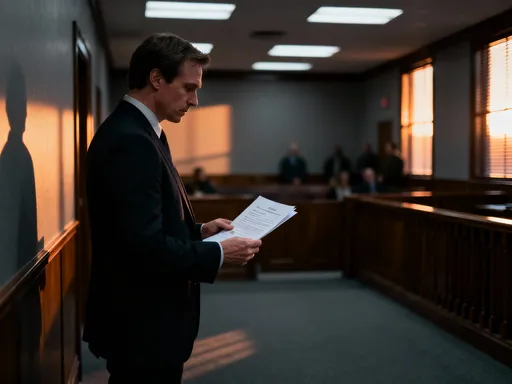
When negotiations failed, I joined a group of investors to pursue mediation. We hired a legal team specializing in financial contracts, hoping to resolve the dispute without going to court. The process was eye-opening—and exhausting. Legal fees began accumulating quickly, with hourly rates and document review charges adding up to thousands of dollars. We had to gather all communications, payment records, and contract versions, which took weeks. The mediation session itself lasted two full days, with both sides presenting arguments, interpretations of clauses, and demands.
The outcome was not what we hoped for. The mediator acknowledged that the language was ambiguous but ruled that the company had not acted in bad faith. They agreed to a revised payment schedule, but it extended over two additional years, with no interest on the delayed returns. We were told this was the best possible resolution without escalating to litigation—a process that could take years and cost even more. Even if we won, there was no guarantee the company could pay, especially if their financial situation worsened.
What became clear during this process was the true cost of enforcement. Legal action is not just about winning or losing—it’s about time, money, and emotional energy. The delay in recovering funds meant missed opportunities elsewhere. I could have invested that capital in a more liquid asset, earned interest, or used it for home improvements. Instead, it sat frozen in a dispute. The experience taught me that a contract’s strength isn’t just in its wording, but in its enforceability. If the counterparty lacks the financial capacity or willingness to pay, even a strong legal position may not lead to recovery. Dispute resolution clauses—such as mediation requirements, jurisdiction, and arbitration rules—play a crucial role in determining how quickly and affordably a conflict can be settled.
Risk Control – Building Safeguards Before You Sign
The most valuable lesson I learned was that protection begins long before signing. Risk control isn’t reactive—it’s proactive. One of the first steps I now take is verifying the credibility of the counterparty. This includes checking their financial health, track record, and reputation in the industry. Publicly available records, credit reports, and reviews from other investors can provide important insights. I also look for transparency in operations—do they provide regular updates? Are their financial statements audited? A lack of openness is often a warning sign.
Another critical safeguard is demanding clarity in the guarantee terms. I no longer accept vague promises. Instead, I insist on written definitions: What exactly is guaranteed? Under what conditions? For how long? Is it backed by a third party? These details must be included in the contract, not just in marketing materials. I also push for specific remedies if the guarantee is not met—such as automatic penalties, buyback clauses, or escrow releases. These provisions create accountability and reduce reliance on goodwill.
One of the most effective tools I’ve adopted is the use of third-party escrow accounts for return payments. Instead of trusting the company to pay from its operating funds, I require that a portion of the expected returns be deposited into an escrow account managed by a neutral financial institution. This ensures that funds are available when due, regardless of the company’s cash flow. Escrow agreements are legally binding and can be structured to release payments upon milestone verification, adding another layer of security. While not all investments offer this option, it’s worth negotiating, especially for larger commitments.
Finally, I always seek independent legal review before signing any financial contract. Even if the document appears straightforward, a qualified attorney can spot hidden risks, ambiguous language, or unfavorable clauses. The cost of a legal consultation is minor compared to the potential loss from a bad deal. This step has become non-negotiable in my investment process. It’s not about distrust—it’s about diligence. Protecting returns isn’t just about chasing high yields; it’s about building systems that minimize exposure and maximize control.
Practical Tools That Actually Work – From Drafting to Monitoring
After my experience, I developed a set of practical tools to manage contracts more effectively. One of the most helpful is a standardized contract checklist. It includes key sections to review: parties involved, payment terms, guarantee conditions, dispute resolution, termination rights, and force majeure clauses. I go through this list line by line, marking each item as verified or requiring clarification. This systematic approach prevents oversight and ensures nothing is left to assumption.
I also use a return verification schedule. For every investment, I create a timeline of expected payments and milestones. I set calendar reminders to follow up if a payment is late or a milestone is missed. This allows me to catch issues early, before they escalate. I pair this with regular performance audits—requesting updates, financial reports, or site visits when applicable. Being proactive in monitoring builds accountability and strengthens the relationship with the counterparty.
Another technique I’ve found valuable is clause mapping. I take the contract and highlight each critical provision, then summarize its meaning and potential risk in plain language. This helps me understand the document beyond the legal jargon. For example, if a clause says “returns are subject to market conditions,” I note that this means the yield could be reduced without penalty. Mapping each clause this way makes the risks visible and easier to discuss with advisors or family members.
Milestone tracking has also proven essential. Instead of viewing an investment as a single transaction, I break it into phases—funding, construction, operation, payout. Each phase has deliverables and deadlines. I require proof of completion before the next phase begins. This phased approach reduces the risk of all-or-nothing outcomes and provides opportunities to exit if performance falters. These tools don’t eliminate risk, but they create structure, clarity, and early warning systems that make a significant difference in protecting returns.
Smart Investing After the Fallout – Balancing Opportunity and Protection
The experience didn’t make me stop investing—it made me invest more wisely. I no longer chase the highest return without asking how it’s protected. I’ve shifted my mindset from opportunity-driven to security-first. This doesn’t mean avoiding risk altogether; it means understanding it, measuring it, and building safeguards around it. Real financial growth isn’t just about earning more—it’s about keeping what you earn.
I now diversify not just across assets, but across contractual risk. I balance higher-yield investments with stronger protections against lower-yield, highly secure options. I prioritize transparency and clarity in every agreement. If a deal seems too complex to understand, I walk away. If the counterparty resists clear terms or independent review, I see it as a red flag. Trust is important, but it must be backed by structure.
I also share what I’ve learned with other investors, especially women in my community who are often targeted by high-return schemes. We’ve started a small financial literacy group where we review contracts together, ask questions, and support each other in making informed decisions. Knowledge, I’ve found, is the best protection. The emotional confidence that comes from understanding a contract is just as valuable as the financial return.
In the end, the broken contract taught me more than any successful investment ever could. It revealed the importance of clarity, the power of preparation, and the value of resilience. Every deal carries risk, but with the right tools and mindset, you can protect your returns the smart way. Your money deserves more than hope—it deserves a plan.