Brewing Profits, Not Panic: How I Navigate Tea Investment Risks
Investing in tea might sound niche, but it’s a real game with real stakes. I’ve seen rare pu-erh prices soar—and crash. What started as a passion for aged leaves turned into a lesson in patience, research, and risk control. This isn’t about get-rich-quick schemes; it’s about smart decisions. From storage pitfalls to market hype, I’ve learned what protects value—and what erodes it fast. Let me walk you through the practical side of turning tea into a resilient part of your investment thinking. While most people think of stocks, bonds, or real estate when building wealth, a quiet but growing number are discovering that carefully selected teas—particularly aged pu-erh, high-mountain oolongs, and limited-production white teas—can appreciate meaningfully over time. The key, however, lies not in impulse buying or chasing trends, but in understanding the unique dynamics of this alternative asset class: how value is created, preserved, and realized.
Why Tea? The Allure Behind Leaf-Based Value
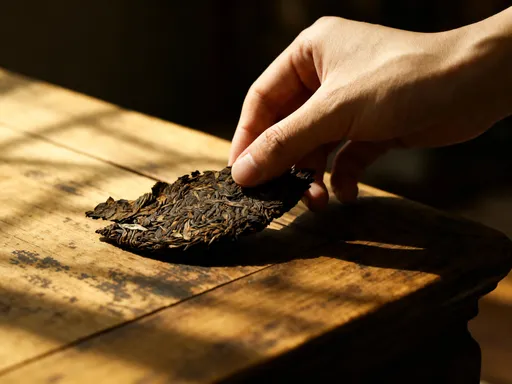
Tea, particularly certain types, has evolved from a daily beverage into a legitimate alternative investment. Among these, aged pu-erh from Yunnan province in China stands out as the most prominent example. Unlike most consumables that degrade over time, high-quality pu-erh undergoes a slow fermentation process that can enhance its flavor, complexity, and market value over decades. This transformation gives it a rare quality: the ability to appreciate like fine wine or vintage whiskey. But the appeal goes beyond mere aging. The foundation of tea’s investment value lies in scarcity, craftsmanship, and cultural significance. Each year, only a limited quantity of premium tea is produced, often from specific regions, specific harvests, and specific producers known for their meticulous methods. For example, ancient arbor pu-erh trees—some hundreds of years old—grow in remote mountainous areas and yield far less leaf than cultivated plantations. This natural scarcity, combined with rising demand from collectors in China, Taiwan, and Southeast Asia, creates upward pressure on prices over the long term.
Yet scarcity alone does not guarantee value. What separates investment-grade tea from ordinary tea is provenance. Just as a painting’s worth depends on its artist and authenticity, a tea’s value is tied to its origin, harvest year, processing technique, and storage history. A 2005 batch from a renowned tea mountain like Bingdao or Menghai, processed by a respected factory such as Menghai Tea Factory, carries a pedigree that collectors trust. These details are often documented on the tea’s wrapper or in accompanying certificates, forming a kind of paper trail that adds credibility. Moreover, the artisanal nature of production means each batch has subtle variations, making truly exceptional lots rare and desirable. This combination of tangible qualities and cultural resonance transforms tea from a simple drink into a collectible asset.
The financial logic behind tea investing also aligns with broader principles of diversification. Traditional portfolios are vulnerable to market volatility, inflation, and currency fluctuations. Tangible assets like art, wine, or rare teas can behave differently from stocks and bonds, offering a hedge against systemic risks. While tea may not be as liquid as equities, its low correlation with financial markets makes it an appealing complement to a well-rounded investment strategy. Importantly, tea investing does not require large initial capital. One can begin with a few carefully selected tea cakes or compressed bricks, storing them properly and monitoring their development over time. The barrier to entry is lower than real estate or fine art, yet the potential for long-term appreciation—especially in well-documented, high-quality lots—is substantial. However, this potential comes with responsibilities and risks that must be understood and managed.
The Hidden Risks No One Talks About
For all its appeal, tea investment carries hidden risks that many newcomers overlook. The most obvious is physical degradation. Unlike digital assets or paper securities, tea is organic matter. It breathes, ages, and reacts to its environment. Exposure to moisture, light, strong odors, or temperature swings can ruin a decades-old tea in a matter of months. A tea cake stored in a damp basement may develop mold, rendering it unsellable and unsafe to consume. One kept in a dry attic may age too slowly or stop aging altogether, losing its potential for flavor development and value appreciation. Even minor fluctuations in humidity can cause uneven fermentation, leading to off-flavors and diminished market appeal. These environmental threats are silent but powerful, capable of erasing years of careful investment with a single oversight.
Beyond physical risks, the tea market suffers from low liquidity. While a stock can be sold in seconds on an exchange, finding a buyer for a rare tea cake often takes time, negotiation, and trust. There is no centralized marketplace with transparent pricing. Instead, transactions occur through private networks, auctions, or specialized dealers, where pricing can be subjective and opaque. This lack of standardization means that even if you own a high-quality tea, converting it to cash may not be straightforward. You may need to wait for the right buyer, accept a lower offer, or incur transaction costs through commissions or authentication services. In some cases, market demand for a particular vintage or style may decline due to shifting tastes, making it difficult to sell at peak value.
Perhaps the most insidious risk is counterfeiting. The premium tea market, especially for aged pu-erh, has attracted unscrupulous actors who replicate packaging, falsify dates, or blend lower-grade leaves to mimic rare vintages. These counterfeit products can be difficult to detect without expert knowledge or laboratory testing. Online marketplaces, while convenient, are particularly vulnerable to fraud. A tea advertised as a genuine 1990s Menghai cake may in fact be a modern reproduction with a forged label. Even experienced collectors have been misled. The absence of a global regulatory body or standardized authentication process leaves investors exposed. This underscores the importance of provenance and documentation. Without a clear chain of custody—original packaging, purchase receipts, or verification from trusted sources—value can evaporate overnight. These risks are not reasons to avoid tea investing altogether, but they demand caution, education, and a disciplined approach.
Storage: Your Tea’s Lifeline (And Its Biggest Threat)
Proper storage is the cornerstone of successful tea investment. It is not an afterthought—it is the primary determinant of whether your tea ages gracefully or deteriorates prematurely. The ideal storage environment supports slow, even fermentation without encouraging mold or stagnation. This balance is delicate and varies by tea type. For raw pu-erh (sheng cha), which relies on natural microbial activity over time, the goal is stable humidity between 60% and 75%, temperatures between 20°C and 28°C (68°F to 82°F), and good air circulation. Too much moisture invites mold; too little halts the aging process. In contrast, ripe pu-erh (shou cha), which has undergone accelerated fermentation, is less sensitive but still requires protection from extreme conditions.
Different regions have developed distinct storage traditions. In Hong Kong, where many vintage pu-erhs were historically aged, the humid subtropical climate leads to faster fermentation, often producing teas with deeper, mellower profiles in a shorter time. However, this method carries a higher risk of mold if not monitored closely. In Yunnan, the tea’s place of origin, natural aging occurs more slowly due to drier conditions, preserving more of the tea’s original character. Singapore and Malaysia, with their consistently warm and humid climates, have also become hubs for tropical storage, where teas develop rich, woody notes over decades. Each method has its advocates, but the key is consistency. Frequent movement between environments—such as storing tea at home, then in a warehouse, then back—can cause stress, leading to uneven aging and diminished quality.
For individual investors, replicating these conditions at home is achievable with modest investment. A dedicated storage cabinet with humidity control, such as a small climate-controlled cabinet or a wine cooler modified for tea, can provide a stable environment. Silica gel packs or digital hygrometers help monitor moisture levels. Avoiding direct sunlight, strong odors (like spices or cleaning products), and temperature fluctuations near windows or heaters is essential. Some collectors use breathable containers like bamboo baskets or paper boxes, which allow air exchange while protecting the tea from dust. Others prefer vacuum sealing for long-term preservation, though this method halts aging and is better suited for short-term storage. The choice depends on your goals: if you want the tea to continue evolving, active aging in a controlled environment is best. If you aim to preserve a specific vintage in its current state, stabilization is the priority. Either way, regular inspection—checking for musty smells, discoloration, or insect activity—is critical to early detection of problems.
Spotting Quality: From Leaf to Ledger
Identifying investment-worthy tea requires more than a discerning palate—it demands research, documentation, and attention to detail. Not every tea will appreciate in value, and many factors influence long-term potential. The first is harvest year. Like vintage years in wine, certain tea vintages are prized for exceptional growing conditions—adequate rainfall, optimal temperatures, and minimal pests. A tea from a drought-affected year, for example, may lack depth and complexity, limiting its aging potential. Second is terroir—the combination of soil, altitude, climate, and biodiversity that gives tea its unique character. High-elevation oolongs from Taiwan’s Alishan region or ancient arbor pu-erh from Yunnan’s remote mountains are sought after for their distinct flavor profiles and limited availability.
Equally important is the producer’s reputation. Established tea factories and artisanal makers with a track record of quality are more likely to produce teas that gain value over time. For instance, pu-erh cakes from the 1980s and 1990s produced by state-run factories like Menghai, Xiaguan, or Kunming are highly collectible due to their historical significance and consistent processing. Modern producers who maintain traditional methods and transparent sourcing also build trust in the market. Compression quality—how tightly the tea leaves are pressed into cakes or bricks—matters too. A well-compressed cake preserves integrity over decades, while a loose one may crumble or expose more surface area to air and moisture, accelerating degradation.
Documentation serves as the financial backbone of tea investing. Just as a certificate of authenticity increases the value of a rare coin or painting, a tea’s provenance—supported by invoices, origin certificates, batch numbers, and original packaging—adds credibility and traceability. When purchasing, always request proof of origin and keep records of the transaction. Attending tea tastings or working with trusted vendors who specialize in investment-grade teas can also reduce risk. Sensory evaluation—smelling, inspecting, and tasting the tea—helps spot red flags early. A musty or sour aroma may indicate poor storage; dull or faded wrapper paper could suggest age falsification. Over time, developing a personal reference library of trusted teas builds confidence in your ability to assess quality and value accurately.
Diversification Within the Niche: Spreading Your Leaves
Even within the specialized world of tea investing, diversification is essential. Putting all your capital into a single type of tea—no matter how promising—exposes you to unnecessary risk. Market demand shifts, weather patterns affect harvests, and trends come and go. A balanced approach involves allocating across different tea categories, vintages, and storage environments. For example, a portfolio might include a mix of aged raw pu-erh for long-term appreciation, high-mountain oolongs for their aromatic complexity and steady demand, and limited-edition white teas like Silver Needle or old-tree Shou Mei, which age slowly and gracefully.
Each category has its own risk and return profile. Aged pu-erh offers the highest potential returns but also the greatest volatility and storage demands. High-mountain oolongs, while less speculative, benefit from consistent appreciation due to limited annual yields and global demand. White teas, often overlooked, have shown strong long-term growth as collectors recognize their aging potential. By spreading investments across these types, investors reduce dependence on any single market trend. Further diversification can be achieved by varying vintages—holding both older, established teas and younger, emerging ones. This creates a staggered maturity curve, allowing for strategic sales over time rather than a single all-or-nothing exit.
Geographic diversification also plays a role. Teas from different regions—Yunnan, Fujian, Taiwan, Assam—respond differently to market forces and climate conditions. A drought in one area may reduce supply and boost prices, while a bumper harvest elsewhere could increase availability and stabilize costs. By investing across regions, you insulate your portfolio from localized disruptions. The goal is not to eliminate risk—no investment is risk-free—but to manage it intelligently. A well-diversified tea portfolio reflects the same principles as any sound financial strategy: balance, patience, and long-term vision. It transforms tea from a speculative gamble into a deliberate, thoughtful component of wealth preservation.
When to Hold, When to Sell: Timing the Market Without Guessing
One of the greatest challenges in tea investing is knowing when to sell. Emotional decisions—fear of missing out or panic during market dips—can undermine even the most carefully laid plans. A disciplined approach relies on objective signals rather than impulse. Key indicators include price trends, market saturation, and shifts in collector preferences. For instance, if a particular vintage has seen rapid price increases over a short period, it may be approaching a plateau or correction. Similarly, if a tea type becomes overly popular, leading to mass production and imitation, its exclusivity—and thus value—may decline.
Another factor is the tea’s aging trajectory. Some pu-erhs peak in value and flavor after 15 to 25 years, while others continue improving for decades. Monitoring your collection through periodic tastings helps assess whether the tea is evolving as expected. If it has reached a desirable balance of complexity and smoothness, it may be an opportune time to sell. Conversely, if it still tastes harsh or one-dimensional, holding longer may yield greater returns. Tax and transaction considerations also influence timing. In some jurisdictions, long-term capital gains are taxed at a lower rate, making it advantageous to hold for more than a year. Selling through reputable auction houses or dealers may command higher prices but involve commission fees, while private sales offer more control but require more effort.
The exit strategy should align with your overall financial goals. Are you looking to reinvest the proceeds into other teas? Or convert to cash for a major expense? Planning ahead ensures that your sale supports your broader financial picture. Above all, patience is the most valuable tool. Tea investing is not a short-term game. Rushing to sell during a temporary dip can mean leaving money on the table. Conversely, holding indefinitely without reassessing market conditions may result in missed opportunities. The most successful investors combine vigilance with restraint, watching the market without reacting to every fluctuation. They understand that value is built slowly, and realizing it requires both timing and discipline.
The Bigger Picture: Tea as a Mindful Investment
At its core, tea investing is about more than financial returns. It is a practice in patience, education, and mindfulness. Unlike the fast-paced world of day trading or speculative crypto ventures, tea rewards those who think in decades, not days. It invites a deeper connection to craftsmanship, nature, and cultural heritage. Every tea cake tells a story—of a mountain, a harvest, a artisan’s hands. To invest in tea is to become a steward of that story, preserving it through careful storage and informed decisions.
This perspective transforms the way we think about wealth. True value is not measured solely in currency, but in knowledge gained, experiences shared, and the ability to remain calm amid uncertainty. Tea investing teaches resilience. It shows that not all growth is visible, and not all assets need to be liquid to be meaningful. In a world that often prioritizes speed and instant gratification, tea offers a quiet counterpoint—a reminder that some of the best things in life, and in finance, take time.
As you consider adding tea to your investment approach, remember that the goal is not perfection, but progress. Start small. Learn continuously. Build relationships with trusted sources. Document your collection. Protect your investment with proper storage. And above all, stay grounded. Markets will fluctuate. Trends will come and go. But those who focus on quality, authenticity, and long-term thinking will find that their efforts—like a well-aged tea—only deepen in value over time.